
IBA Processing and Metal Recovery
Day Group is a leading processor of Incinerator Bottom Ash (IBA), working with energy-from‑waste (EfW) operators across London and the South to recover valuable metals and materials to support a more circular economy.
2025 Metal Recovery Performance
Incoming raw IBA processed
609238
Non-ferrous metals recovered
30729
Ferrous metals recovered
52964
Advanced IBA Processing and Metal Recovery
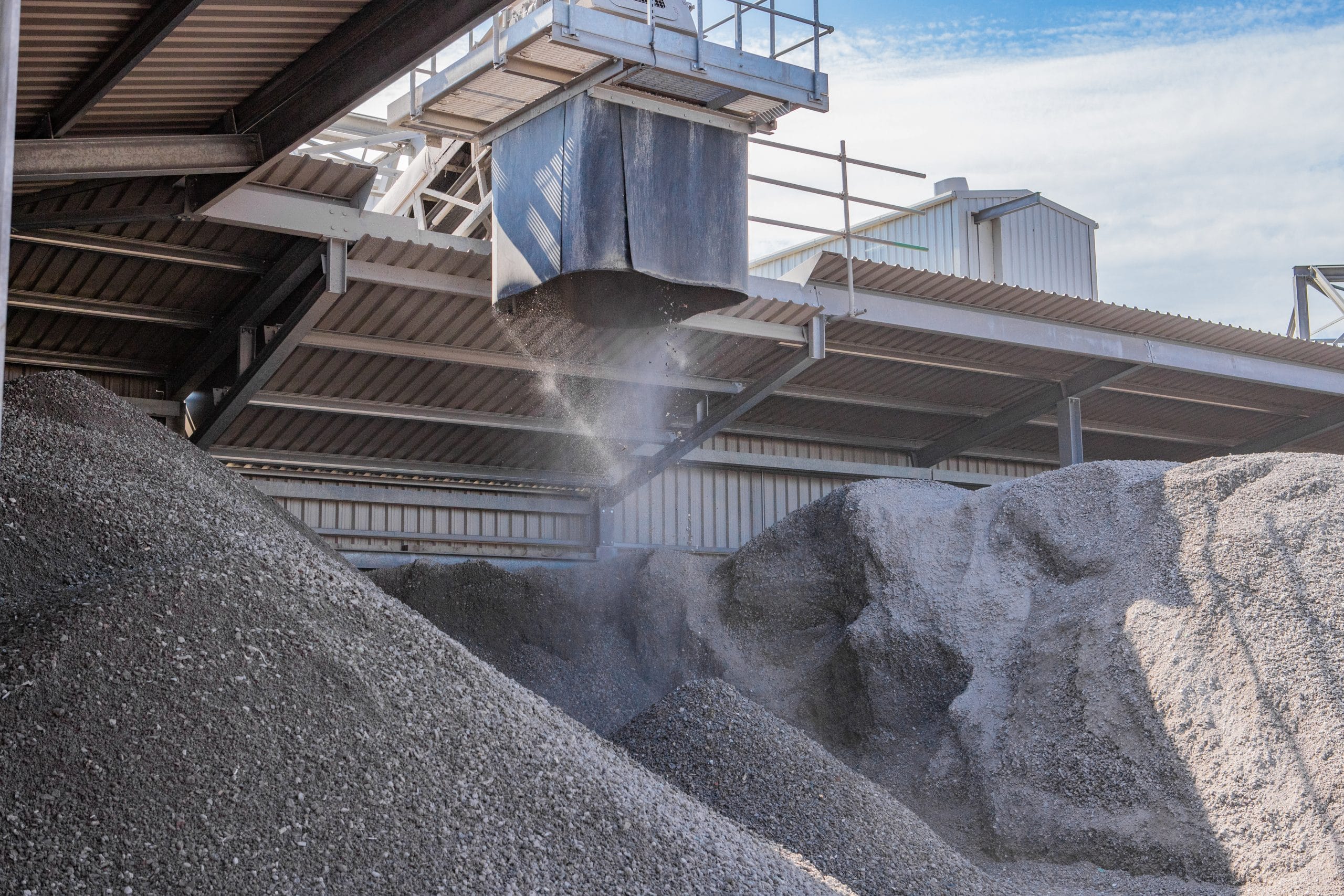
IBA is the solid residue remaining after the combustion of non‑recyclable waste in energy‑from‑waste facilities. While often viewed as a waste stream, IBA contains significant quantities of recoverable metals and mineral material.
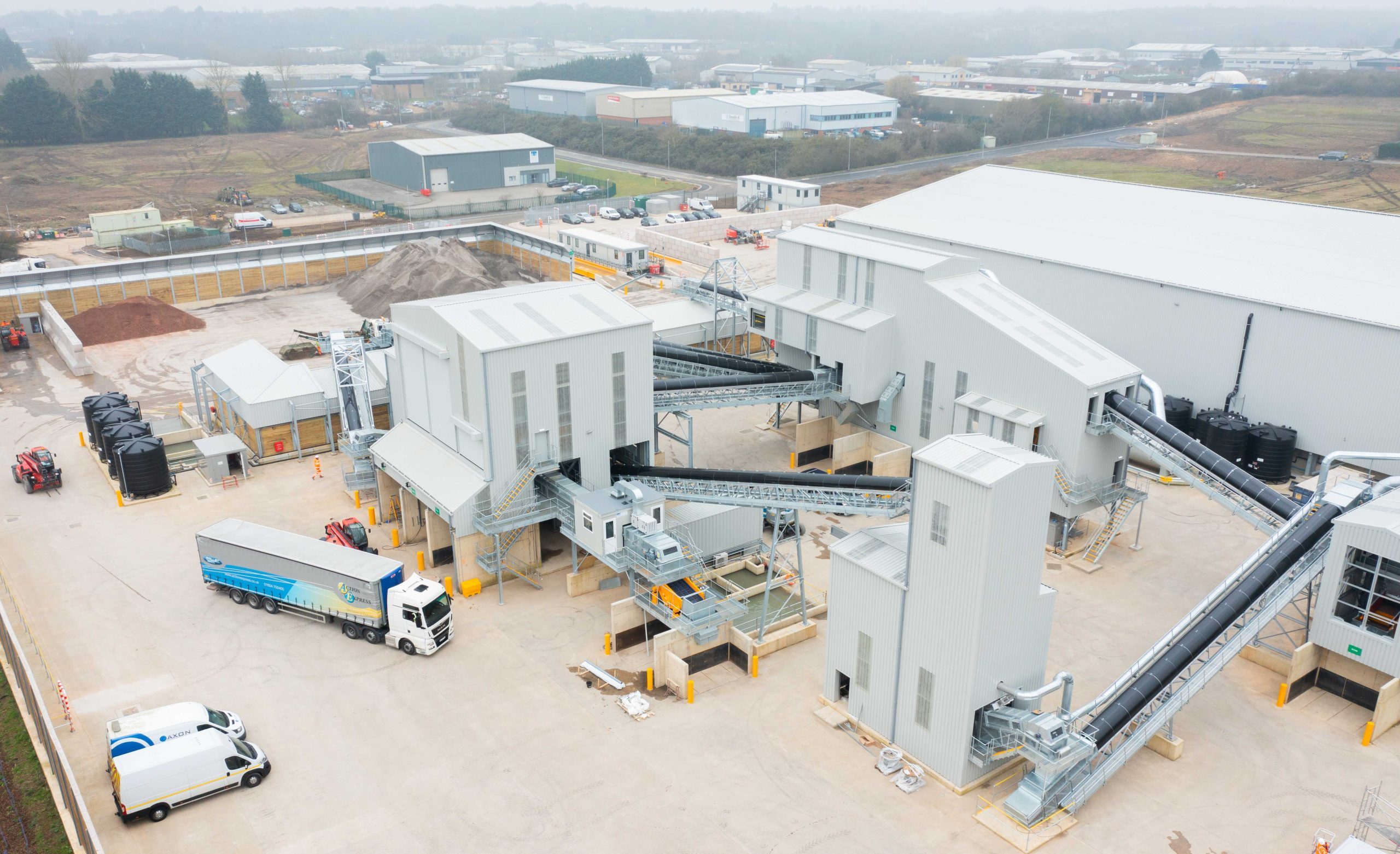
To maximise metal recovery, Day Group has invested in Steinert separation technology and operates double cascading processing systems. This approach enables multiple recovery stages, improving capture rates and metal quality.
Our processing combines:
- Advanced screening and grading
- High‑strength magnetic separation
- Eddy current separation
- Double cascading systems to recover metals missed in initial passes
What Does This Achieve?
Consistent Aggregate
Quality
Reliable Environmental
Compliance
Reduced Landfill
Dependency
Ferrous and Non-Ferrous Metal Recovery
Ferrous Metals
Ferrous metals, are recovered using high‑strength magnetic separation.
Recovered ferrous metals are prepared to a high specification and returned to the supply chain, where they are remelted and reused, reducing the demand for metals produced from primary sources and associated carbon emissions.
Non‑ferrous Metals
IBA also contains valuable non‑ferrous metals, including aluminium, copper, brass, gold, palladium, and zinc. Using advanced eddy current separation and downstream double cascading processing, we can maximise the recovery of non‑ferrous metals from the ash stream.
Non‑ferrous metals, particularly Aluminium, delivers significant environmental benefits when recycled, using up to 95% less energy than primary production*.
Environmental and Carbon Benefits
Processing IBA for metal recovery and aggregate production delivers clear environmental benefits:
- Diverts material from landfill
- Recovers secondary metals for further recycling as part of a circular economy approach
- Reduces demand for primary aggregates
- Lowers carbon emissions across the supply chain
